

-
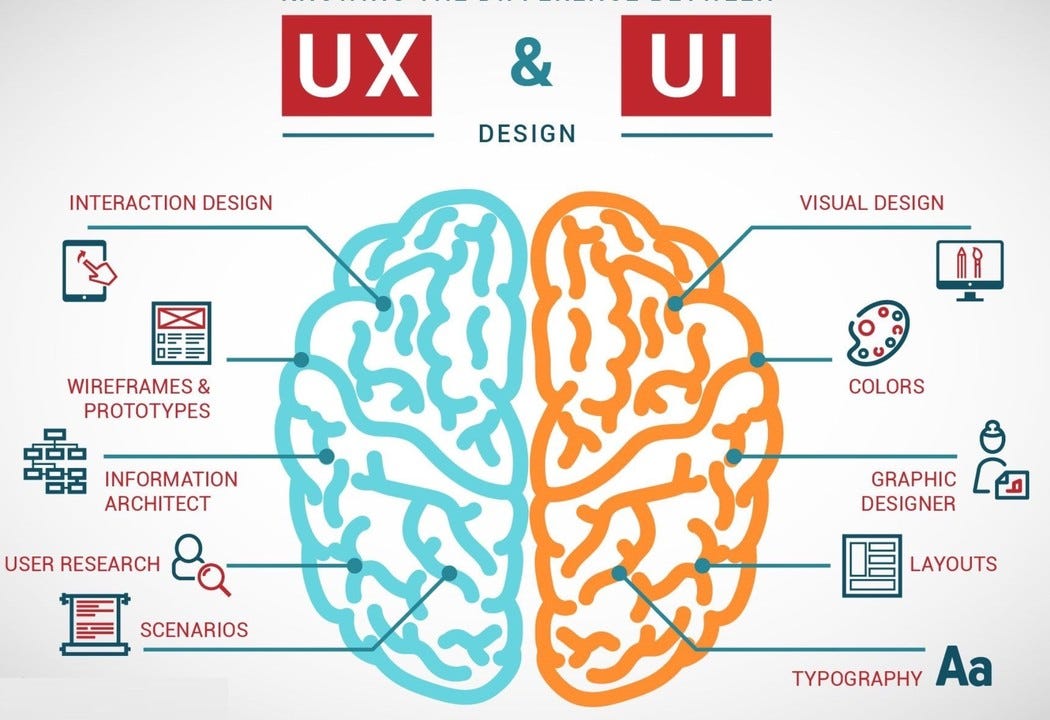
The User Speaks (Through Their Eyes): Employing CMOS-based Eye Tracking for Enhanced User Experience Design
In the world of user experience (UX) design, understanding how users interact with interfaces is paramount. But what if we could go beyond traditional methods like surveys and focus groups and actually see where users are looking? That’s where CMOS-based eye tracking technology comes in, offering a powerful tool for unveiling the language of the…
-
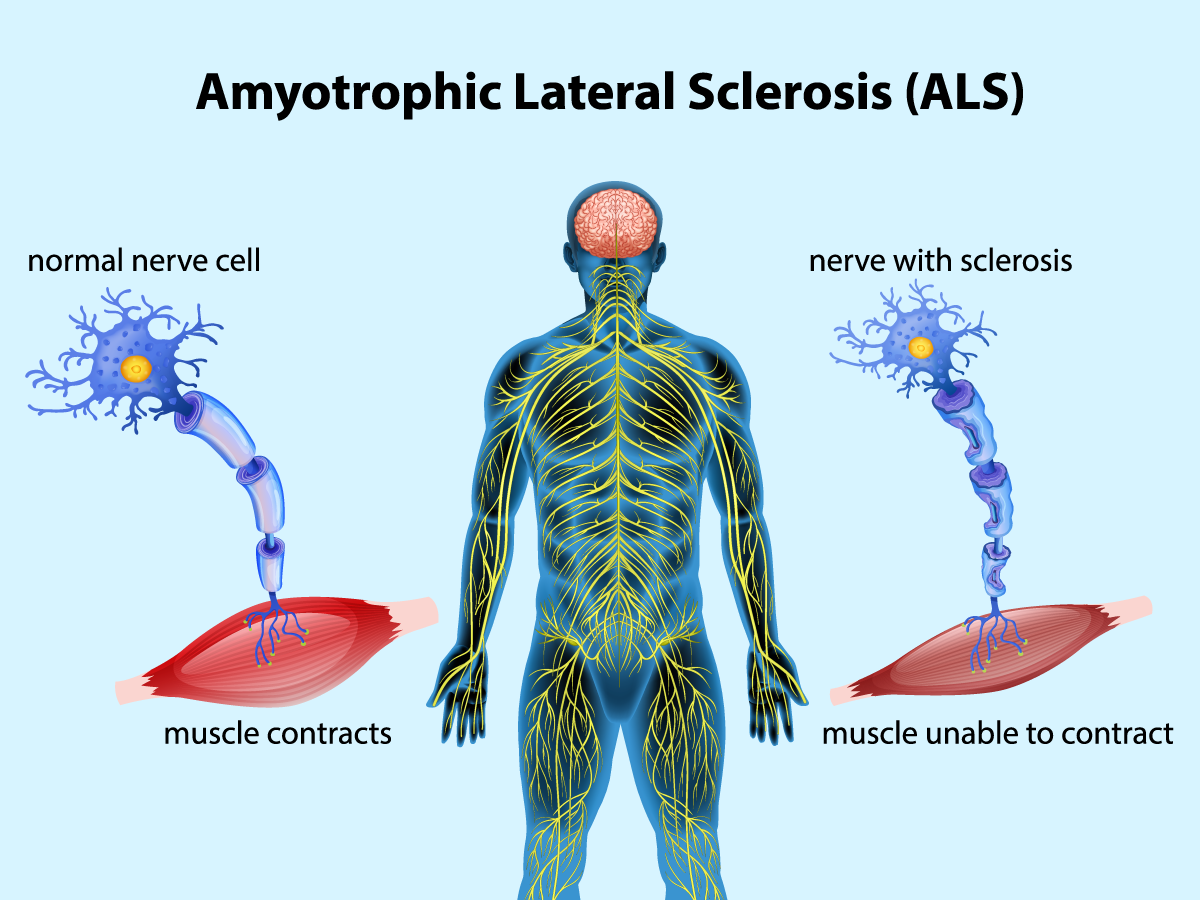
Inclusive Innovation: Designing Accessible Eye Tracking Systems for All
Technology should be inclusive and accessible for everyone, regardless of ability. When it comes to eye tracking, this principle becomes even more crucial. While this technology holds immense potential for various applications, we must ensure it benefits individuals with disabilities as well. Beyond Limitations: Eye tracking systems offer alternative control methods for individuals with limited…
-
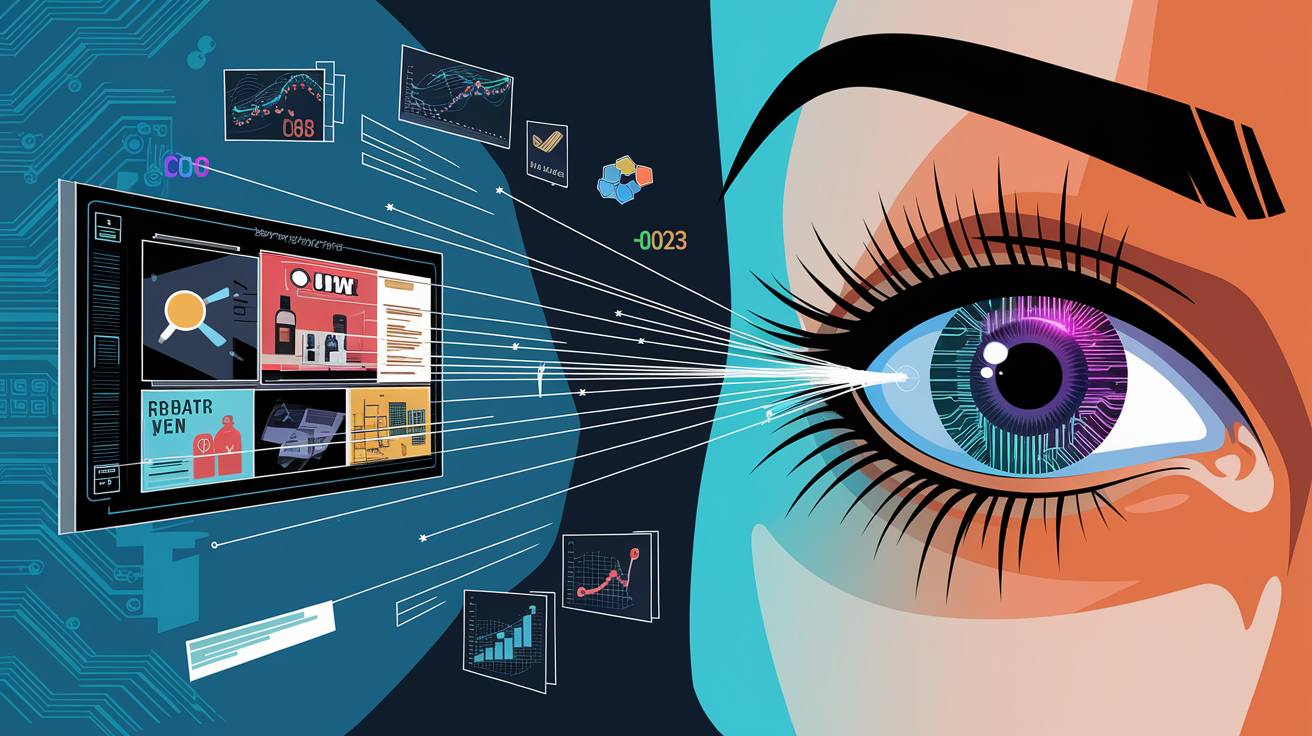
The Power of the Gaze: CMOS Eye Tracking Technology Optimizes Advertising Engagement
In the age of information overload, capturing consumer attention and driving engagement are top priorities for any advertiser. Enter CMOS image sensor technology and eye tracking, a powerful duo revolutionizing the way we understand advertising effectiveness. Beyond Clicks and Views: Traditional metrics like clicks and views often paint an incomplete picture of how consumers interact…
-

Eyes on the Prize: How CMOS-based Eye Tracking is Revolutionizing the Gaming Experience
Gamers, get ready to level up your experience! CMOS image sensor technology and eye tracking are teaming up to create a gaming revolution, blurring the lines between reality and the virtual world. Beyond Button Mashing: Imagine controlling your in-game character simply by looking at them, or having the environment react to your fear and excitement…
-
Breaking Barriers: Empowering Individuals with Eye Mouse Technology
For individuals with limited mobility or neuromuscular conditions, navigating the digital world can be a significant challenge. Traditional methods of computer interaction, like keyboards and mice, may be difficult or even impossible to use. However, CMOS image sensor technology coupled with eye tracking is offering a groundbreaking solution: the Eye Mouse. Unlocking Independence: The Eye…
-
Seeing Beyond the Surface: Early Disease Detection with CMOS-based Eye Tracking
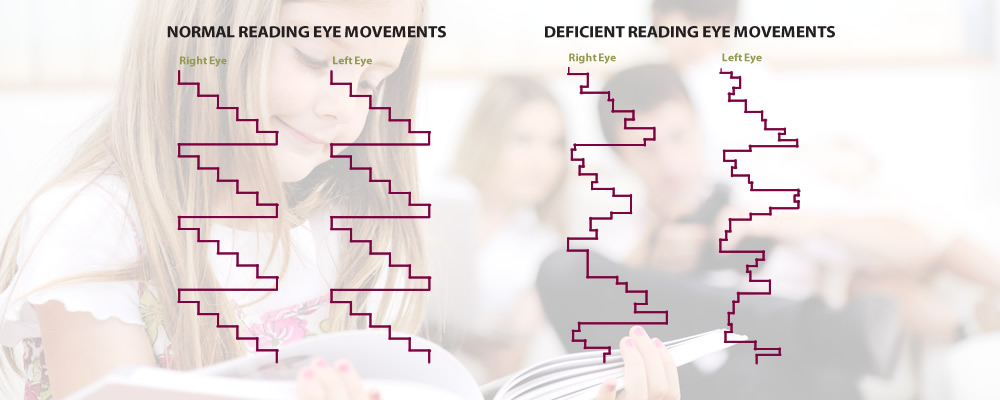
The human eye is a window to the soul, but it can also be a window to our health. Researchers are increasingly exploring the potential of CMOS image sensors and eye-tracking technology for early disease detection. This opens exciting possibilities for improving preventive care and potentially saving lives. Beyond Vision Tests: Traditional eye exams are…
-
The Ethical Lens: Considerations for Responsible Development of CMOS-based Eye Tracking Technology
As CMOS image sensor technology advances, eye tracking is rapidly becoming more accessible and integrated into various aspects of our lives. From interactive displays and virtual reality to education and healthcare, the potential applications are vast. However, with this power comes responsibility. It’s crucial to consider the ethical implications of eye tracking technology and ensure…
-
Neuromorphic Imaging for Eye Tracking: Mimicking the Human Visual System for Enhanced Performance
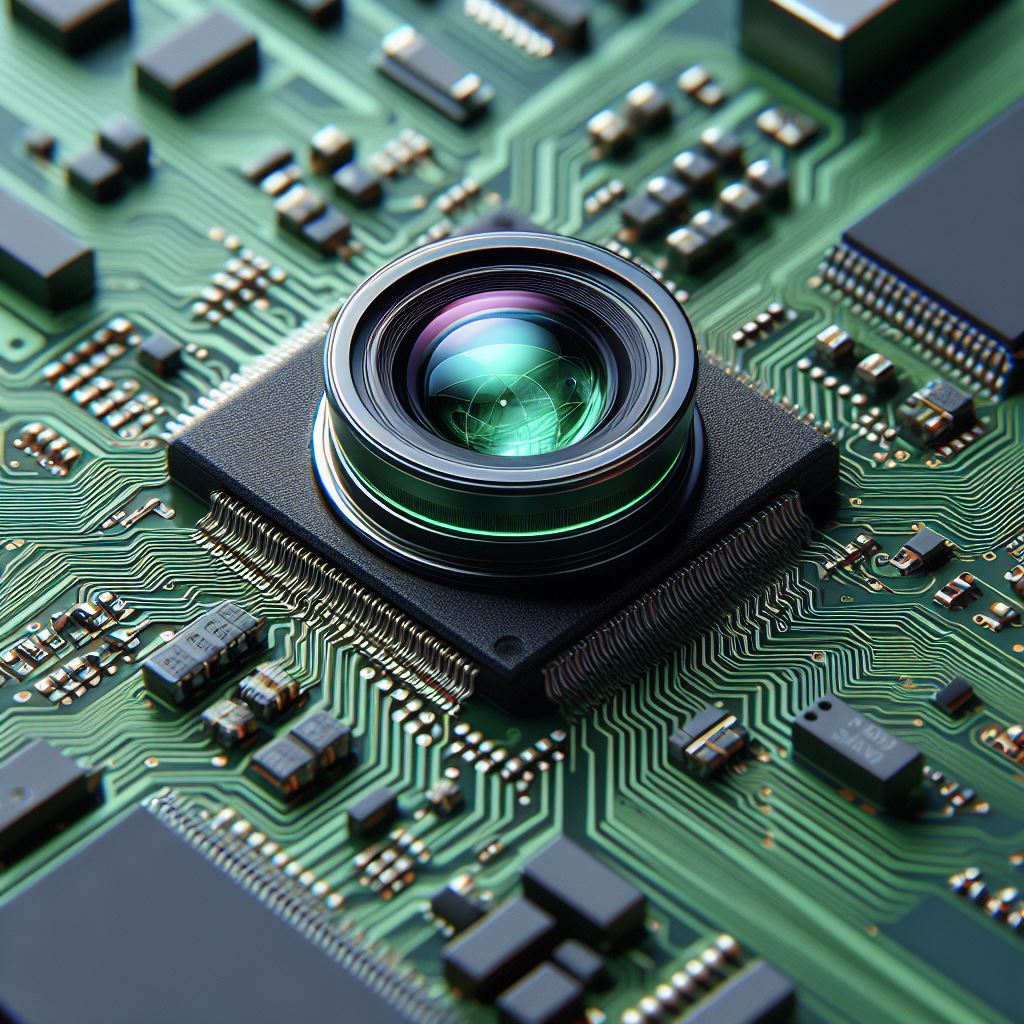
The human eye is a marvel of biological engineering, processing visual information with unmatched efficiency and adaptability. Now, imagine replicating its capabilities in silicon. That’s the promise of neuromorphic imaging, a revolutionary approach to eye tracking inspired by the human visual system. Beyond Conventional CMOS: CMOS image sensors have been the workhorses of eye tracking,…
-
Eyes on the Prize: How CMOS Innovations are Revolutionizing Eye Tracking
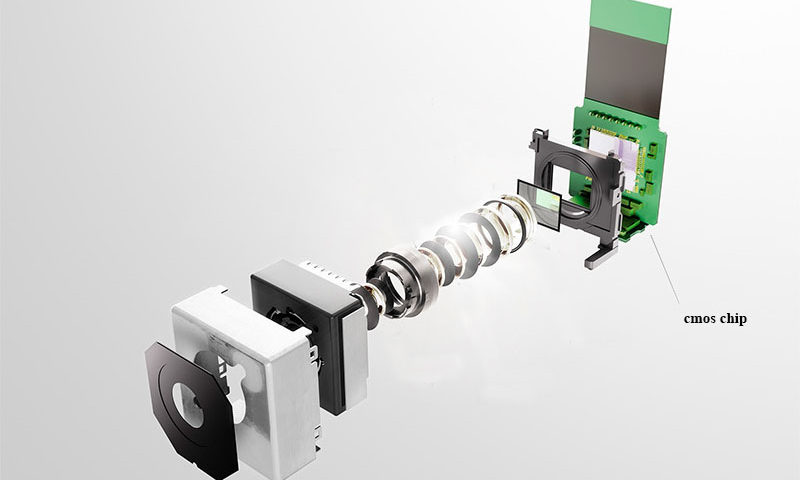
The human eye – a window to the soul, they say. But in the world of technology, it’s becoming much more than that. Thanks to advancements in CMOS image sensor technology, eye tracking is no longer relegated to specialized labs and sci-fi movies. It’s rapidly transforming industries, from gaming and education to healthcare and human-computer…