-
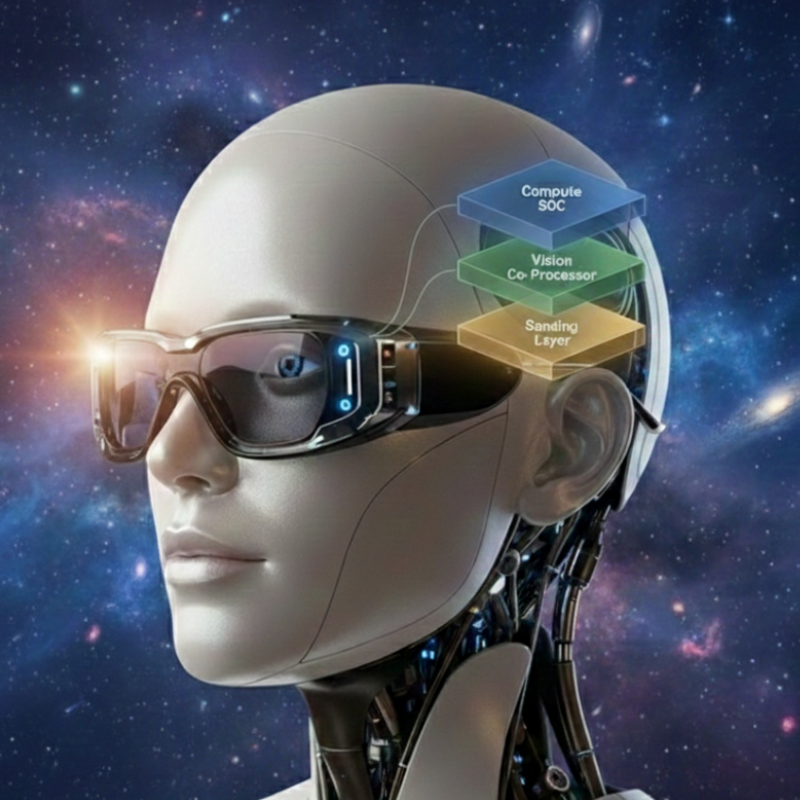
Enabling the ‘Final Form Factor’ for All-Day XR
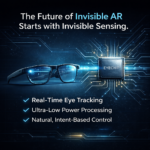
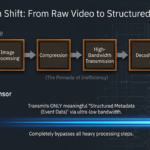
Lightweight, stylish smart glasses that truly last all day can’t be built with today’s brute-force compute architectures.The power and thermal ceilings are simply too high.The real path forward is a dedicated, hyper-efficient Sensing Layer(EyeChip) — reducing system load, minimizing heat, and enabling the form factors XR has been striving toward for a decade.The future of…
-
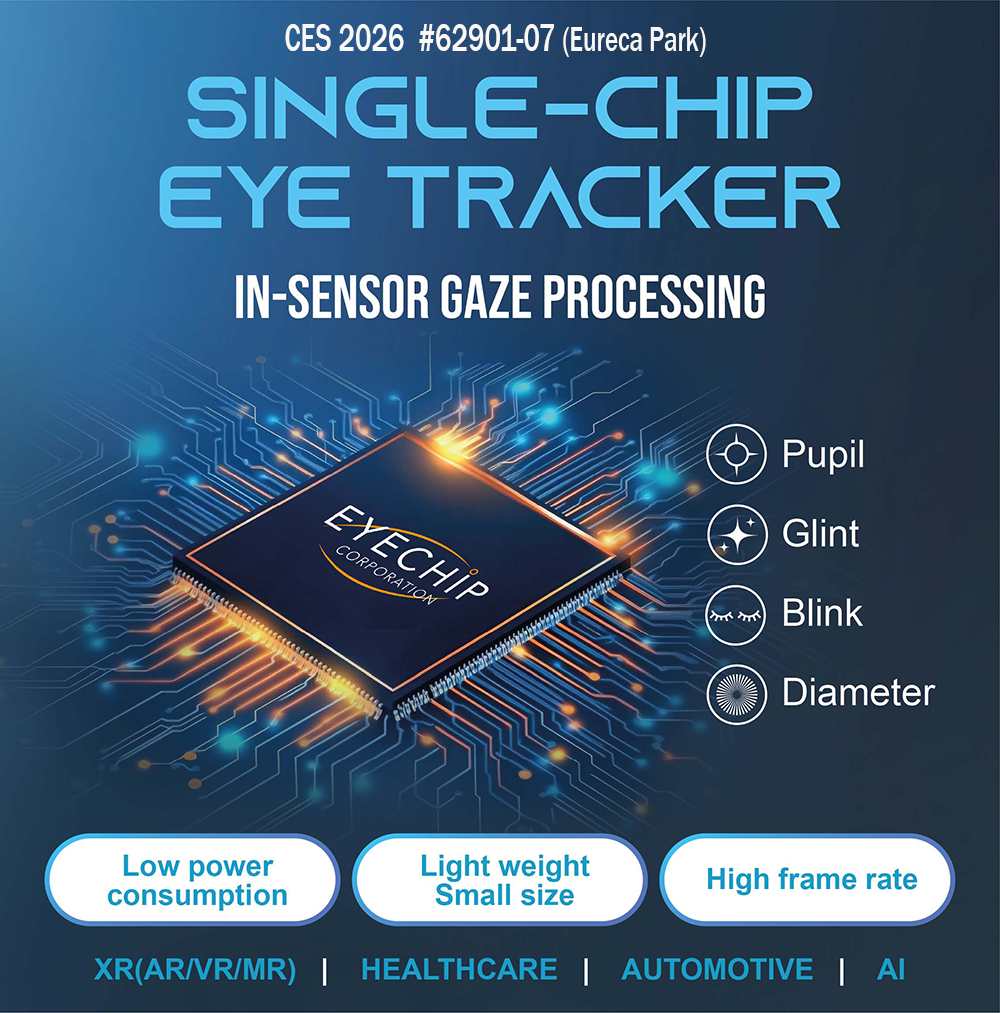
CES 2026 – See the future!
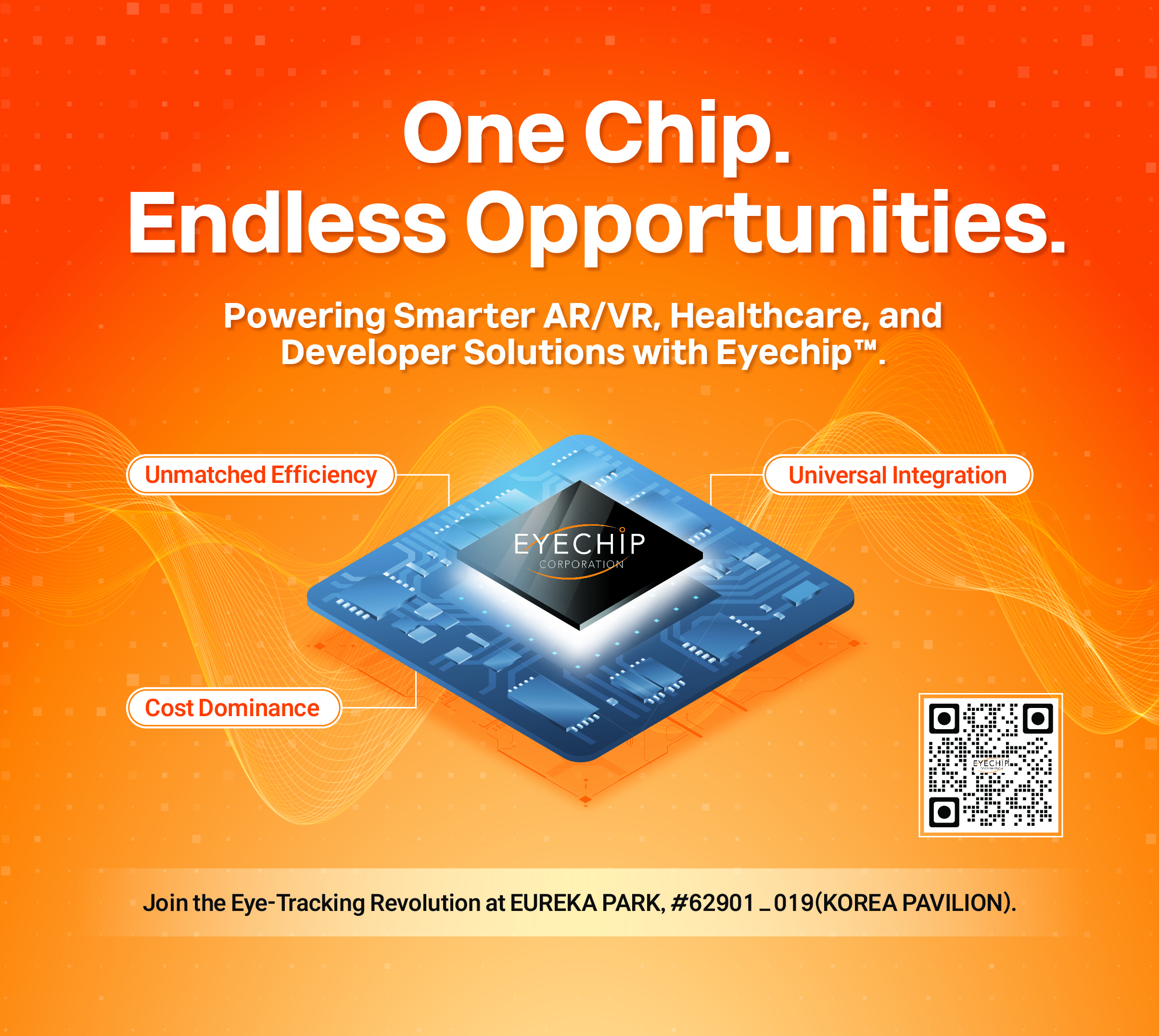
We’re inviting select partners and investors to experience EyeChip’sultra-low-power, sub-millisecond eye-tracking chip at CES 2026. Our chip integrates sensing + computation into a single compact package, designed for XR headsets, automotive DMS, healthcare devices, and AI systems. Looking forward to connecting at CES! Event Details Date: January 6~9, 2026Time: 9 AM – 6 PMLocation: Booth #62901-07…
-
Why Blink Detection is the Most Underestimated Signal in HCI
Everyone in AR/XR talks about gaze vectors, vergence, foveation. Almost no one talks about blink. But here’s what we see inside the data: blink = intention Blink is a discrete signal. Unlike gaze (which is continuous and noisy), blink is a natural source of binary gating. In other words, a blink is like a “click”…
-
Event-Based Eye Tracking Is Moving From Lab to Wearables
Research Spotlight: Event-Based Eye Tracking Is Moving From Lab to Wearables Over the past year, we’ve seen quiet but meaningful progress in event-based eye tracking—a shift from frame cameras to neuromorphic sensors that report only changes. Why this matters: for AR/XR and low-power medical wearables, latency and power beat megapixels. What’s new: • A CVPR’24…
-
MWC 2025
Visit EyeChip at MWC Barcelona – Booth 7A62-24! Discover how our innovative eye tracking technology is transforming mobile experiences. Our compact, power-efficient solutions enable intuitive device interaction through natural eye movements. Stop by for a live demo and explore partnership opportunities with our team. Productive conversations at Eyechip’s booth yesterday as hashtag#Huawei engineers and leadership…
-
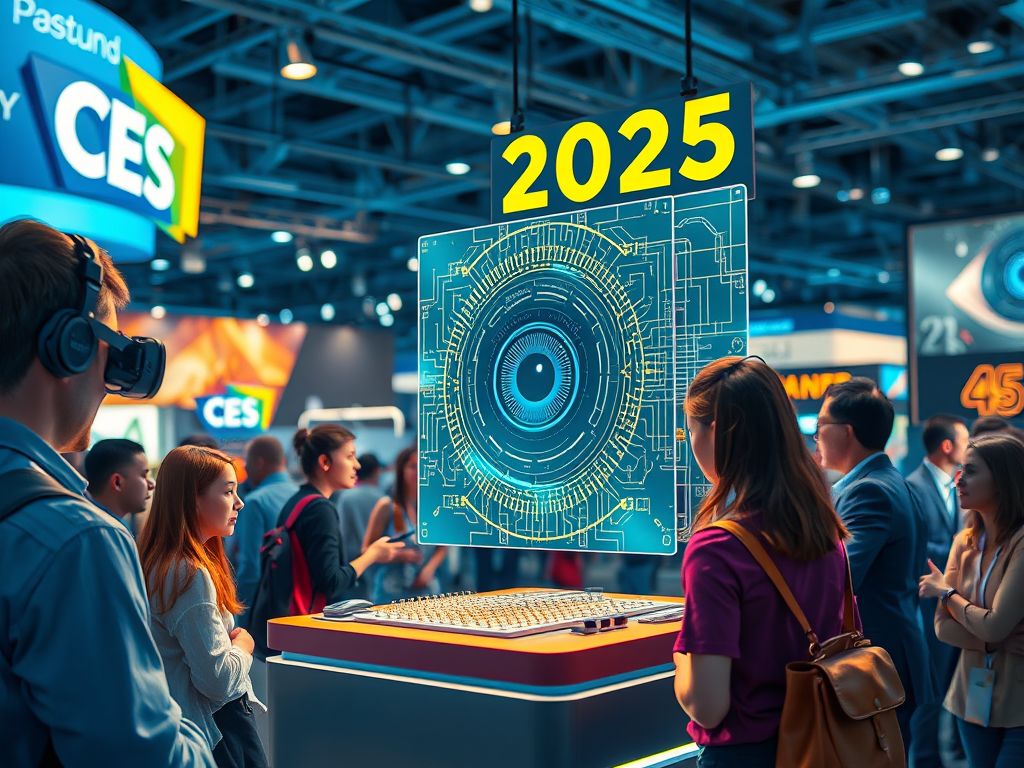
CES 2025
What an extraordinary week at hashtag#CES2025! Our revolutionary eye-tracking CMOS technology with in-sensor computing capabilities captured significant attention, particularly in the AR/VR and healthcare sectors. The response to our chip was overwhelming, with major industry players recognizing the potential impact of the Eyechip. Immense gratitude to everyone who visited our booth and engaged with our…
-
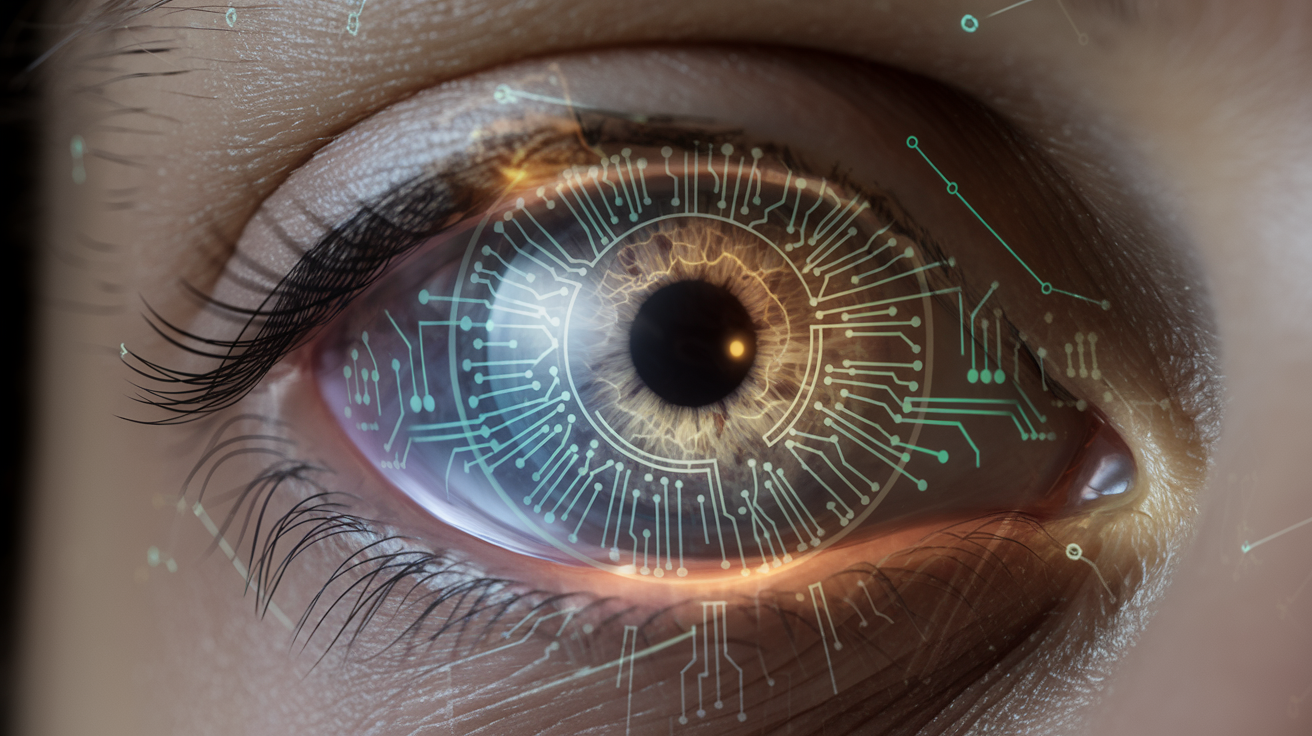
Breaking Barriers: Eye-Tracking Technology’s Role in Early Cognitive Decline Detection
In the realm of neurodegenerative disorders, early detection is paramount. As we push the boundaries of medical technology, eye-tracking has emerged as a groundbreaking tool in identifying cognitive decline at its earliest stages. This innovative approach is not just changing the game – it’s rewriting the rules. The Eyes: Windows to Cognitive Health Recent advancements…
-
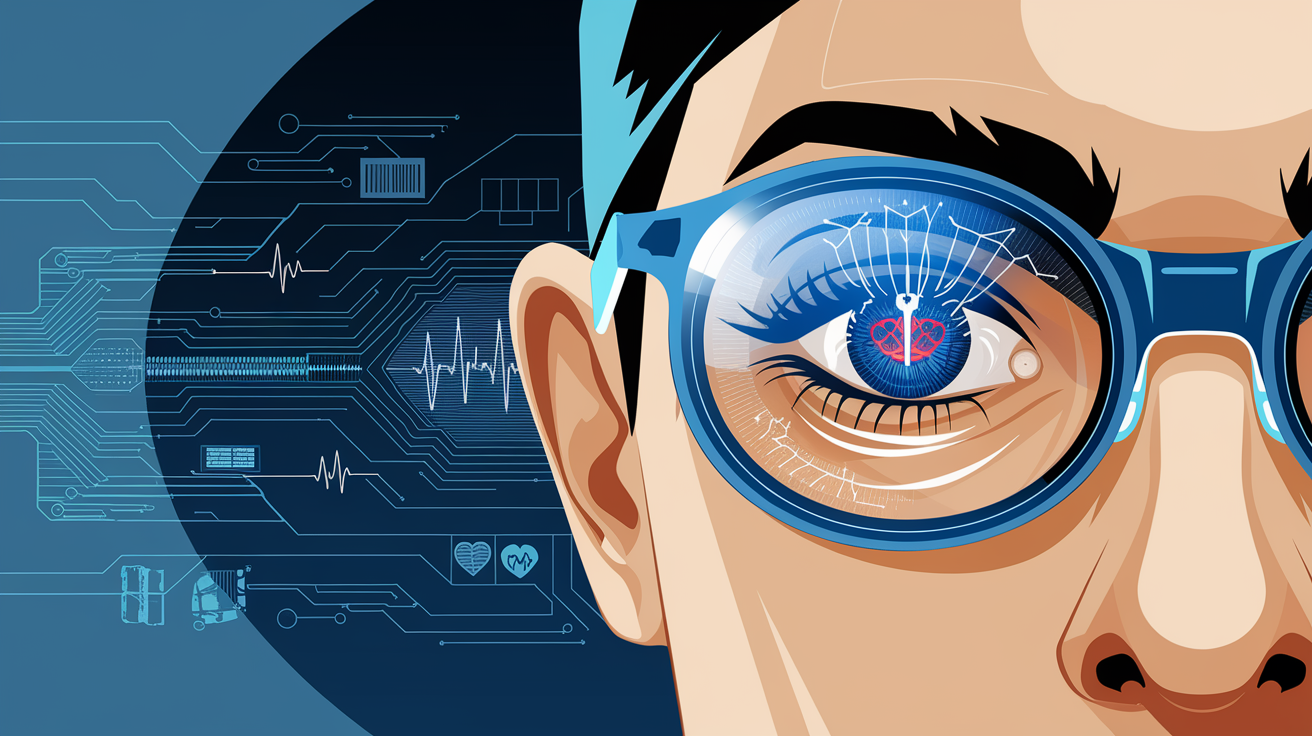
The Future of Wearable Tech: Eye-Tracking Smart Glasses for Health Monitoring
In an era where technology and healthcare are increasingly intertwined, eye-tracking smart glasses are emerging as a game-changing innovation in wearable health tech. These devices are not just reshaping how we interact with technology, but also how we monitor and manage our health. Let’s dive into this exciting frontier! The Power of the Eyes Our…
-
Eye-Tracking Revolution: How CMOS Image Sensors Are Transforming Alzheimer’s Detection
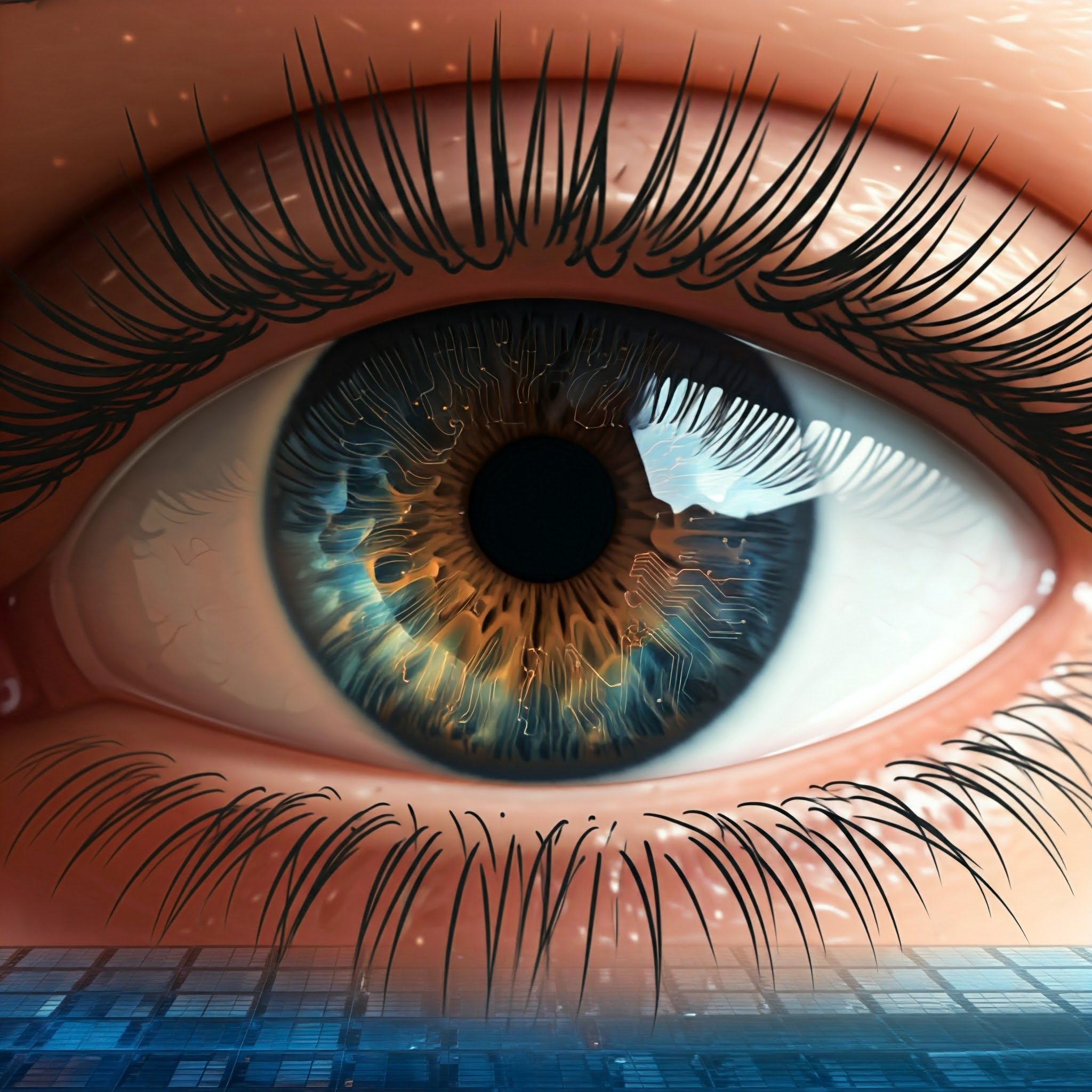
In the ever-evolving landscape of medical diagnostics, a groundbreaking fusion of semiconductor technology and neuroscience is reshaping how we approach Alzheimer’s disease detection. At the heart of this revolution are CMOS (Complementary Metal-Oxide-Semiconductor) image sensors, which are proving to be game-changers in the early identification of cognitive decline. The Power of the Eyes in Cognitive…
-
The User Speaks (Through Their Eyes): Employing CMOS-based Eye Tracking for Enhanced User Experience Design
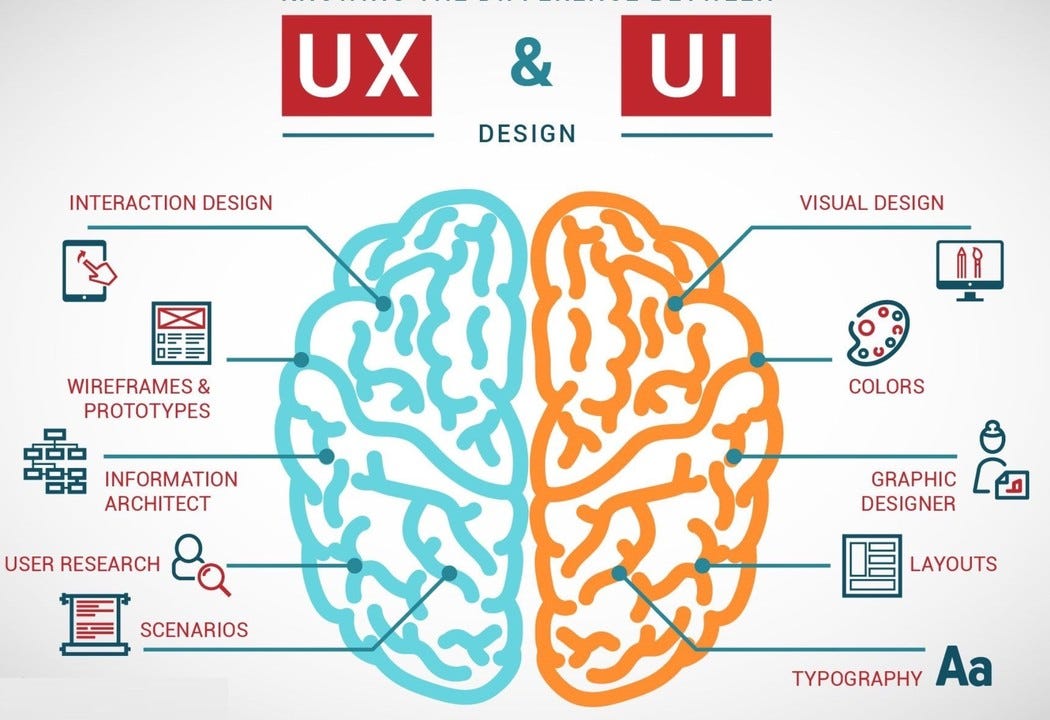
In the world of user experience (UX) design, understanding how users interact with interfaces is paramount. But what if we could go beyond traditional methods like surveys and focus groups and actually see where users are looking? That’s where CMOS-based eye tracking technology comes in, offering a powerful tool for unveiling the language of the…